Make a Party How to Spin and Decorate
Turn spins into placed value: rarity judgment, layout craft, selling clutter, and party-ready rooms.
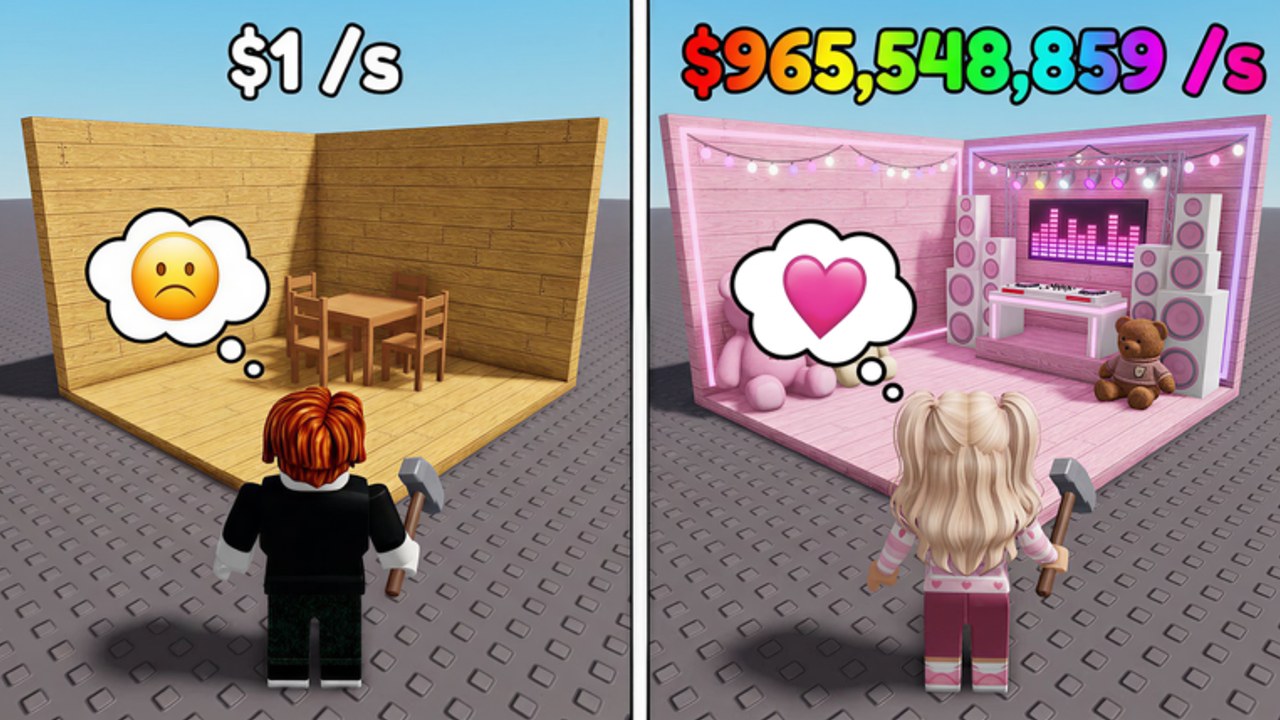
Spinning and decorating are the creative half of Make a Party, but they are still an economy. Every spin costs progress you could have spent on conveyor, expansion, boombox, or fame shop. Every placed item either raises party cash per second or wastes a slot. This guide teaches Crazy Night!‘s spin-and-decorate loop so your base looks intentional and earns.
Read Getting Started first if you have not started a party yet. Keep Earn Cash Fast open so decorating never outruns income priorities. Compare item strength on the party items tier list before you protect junk.
What the spin is for
The spin is your item faucet. You spend cash for a chance at decorations and party props, then decide: place, sell, or hold. Instant auto-spin habits from community tools on the CM Hub script page can speed farming, but judgment still matters. Manual players should spin in batches tied to a placement goal, not endless gambling while the party is off.
Before a spin session, redeem codes from the Codes Hub using how to redeem if any are active. Free cash makes spin volume safer early.
Decorate with income in mind
Place items where guests and cameras would notice them: open floor zones, stage-facing walls, and clusters that read as a real party. Avoid blocking expand pads, conveyor interactions, collect points, or future boombox placement. Leave walking lanes. Dense clutter that looks busy often underperforms a cleaner layout with fewer high-tier pieces.
Walls and floors matter for polish, but they are secondary to party uptime and structural upgrades. If a wall pack delays a needed expand from How to Expand Base, expand first. If a floor theme delays a boombox step from the Boombox Guide, take boombox first.
Placement workflow
- Start or confirm the party so cash/sec is live while you decorate.
- Spin a small batch sized to your available slots.
- Sort results: must-place, maybe, sell.
- Place must-place items in high-visibility zones.
- Fill gaps only with maybes that do not block systems.
- Sell clutter to recycle cash into the next upgrade or spin.
- Recheck cash/sec feel, then either expand slots or stop spinning.
This workflow prevents inventory hoarding and floor chaos. If you run out of slots mid-batch, stop spinning and buy slots or expand using How to Expand Base.
Reading value without perfect datamines
Use three practical tests. Footprint test: does this item earn enough to justify its space? Redundancy test: do you already have three near-identical props? Tier test: where does it sit on the party items tier list? When unsure, prefer items that feel unique to your theme and clearly party-coded over generic fillers.
Fame shop exclusives can outclass random spin junk. If the fame shop is offering a strong progression piece, pause spins and evaluate that buy against Earn Cash Fast. Boxes are another item source with variance — open them when your core stack is healthy, not when you are broke and hoping.
Layout archetypes that work
Stage focus: densest decorations around a central performance area with boombox nearby. Lane party: long clear path through themed clusters so the base feels walkable and photogenic. Compact core: early-game small house with only top pieces placed until expansion unlocks. Pick one archetype per rebirth cycle so you do not rebuild three incomplete themes.
After rebirth, rebuild with the same archetype using How to Rebirth timing, but keep only the lessons: which clusters raised income, which spins were waste, which slots unlocked the plan.
Selling and index discipline
Selling weak items recovers cash and clears decision fatigue. Holding everything forever makes every future spin harder to evaluate. If the game offers index or claim-style collection rewards, claim them on a schedule so you do not leave free progress idle — automation notes appear on the CM Hub script page, but manual claim passes work fine.
Do not sell a unique high-tier piece just to afford a random box. Do sell duplicates and low-tier fillers when slots are the bottleneck.
Platform tips while decorating
On mobile, place in shorter sessions to avoid mis-taps. On PC, use precise camera angles to align props. On console, confirm menu focus before buying spins so you do not accidental-purchase the wrong Shop tab. Full control notes are in Controls.
Session goals for spin-and-decorate
A good decorate session ends with: party running, fewer weak fillers on the floor, at least one improved cluster, recycled cash from sells, and a clear next purchase that is not another blind spin. If your cash/sec did not move, you decorated for vibes only — fine for screenshots, bad for progression.
Track bigger economy context on launch and milestones, plan spends with the party cash planner, and skim the review if you want a wide feature take. For the full guide map, return to the Guides Hub.
Spinning creates options. Decorating converts options into cash/sec. Keep both steps honest and Make a Party stays fun without stalling.
Frequently Asked Questions
Quick answers for Make a Party players.
Should I spin nonstop in Make a Party?
No. Spin in batches tied to free slots and a placement plan, and stop when expansion, conveyor, or boombox is the better spend.
How do I know which decorations to keep?
Keep items that improve party value and pass footprint, redundancy, and tier-list checks. Sell duplicate low-impact fillers.
Do walls and floors come before spins?
Only when they are cheap polish after uptime and structural upgrades. Never delay expand or boombox for cosmetic surfaces alone.
Where should the boombox sit in a layout?
Near your main party cluster so the audio upgrade reads as part of the venue and you remember to keep upgrading it.
What if I run out of item slots while spinning?
Stop spinning and unlock slots or expand the house first, then resume with a cleaner placement workflow.